The Data Behind the Blowups
The SEBI studies laid the reality bare: over 90% of retail F&O traders lose money. But the study only tells us that they are losing money, not why. If you ask a struggling trader why they blew up their account last month, they will usually blame a bad strategy, an unpredictable market, or stop-loss hunting.
The data tells a different story. The vast majority of trading losses are not caused by a flawed moving average crossover strategy; they are caused by acute behavioral breakdowns. Let's look at the real financial cost of the most common trading mistakes, and why you need to start pricing them.
1. Revenge Trading
Revenge trading occurs in the immediate aftermath of a painful loss. The psychological urge to “get it back” overrides the trading plan. The trader re-enters the market, often with a larger position size, outside of their normal setup criteria.
The Real Cost: Revenge trades have a profoundly negative expectancy. Because the entry criteria are compromised and the position size is often doubled (the Martingale effect), the resulting loss is typically 2x to 3x larger than a standard paper cut. In our user data, revenge trading is the #1 cause of account liquidations.
2. FOMO (Fear of Missing Out)
You see a massive green candle. You didn't catch the move from the bottom, but the momentum looks unstoppable, so you buy the top. Ten seconds later, the pullback begins.
The Real Cost: FOMO entries destroy your Risk-to-Reward ratio. Because you entered late, your logical stop loss is now incredibly wide. This means you are risking $300 to make $50. A single FOMO trade can wipe out the profits of five disciplined, well-executed trades.
3. Moving the Stop Loss
The trade is going against you, and it's approaching your hard stop. Instead of accepting the paper cut, you cancel the order and widen the stop, convincing yourself it just needs “a little more room to breathe.”
The Real Cost: This is the definition of holding a loser too long. It turns a planned 1% account drawdown into an unplanned 5% or 10% drawdown. The psychological cost is even worse: you are teaching your brain that rules are optional.
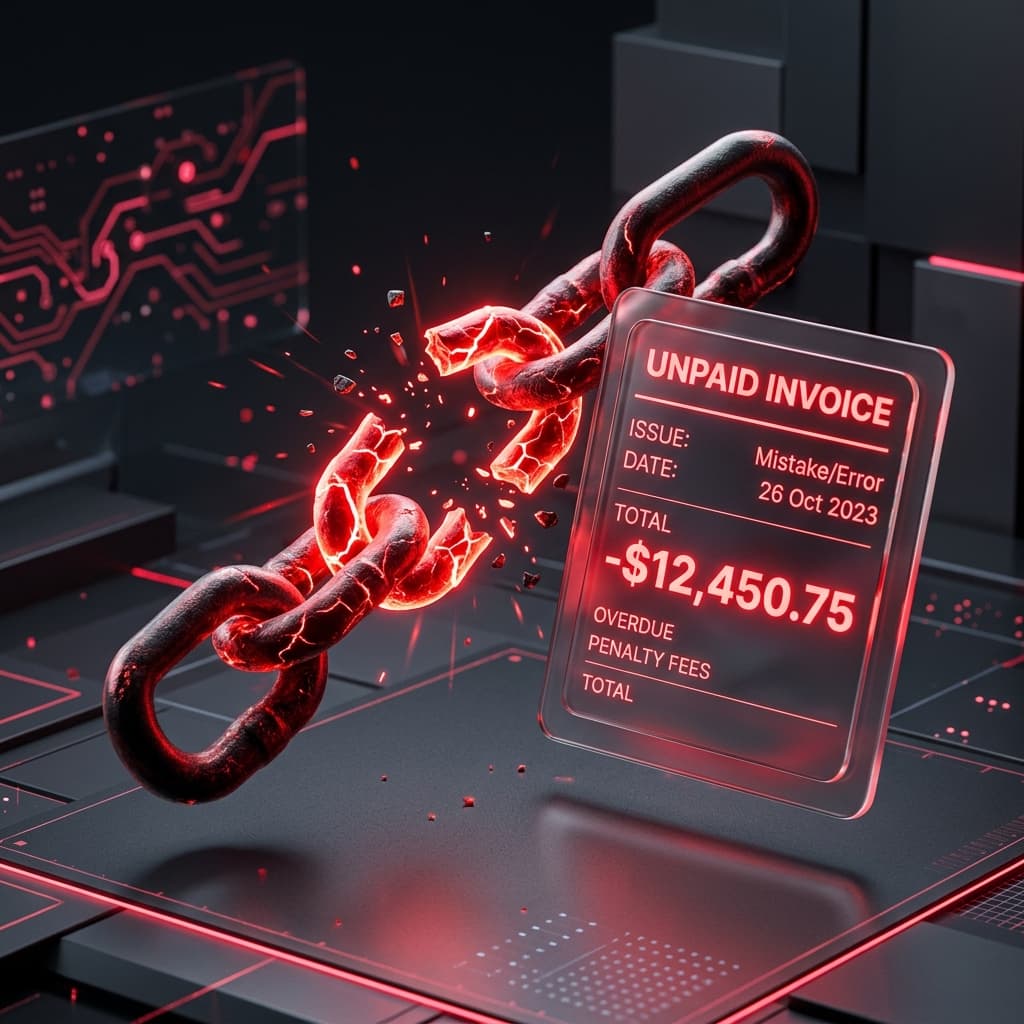
Invoicing Your Mistakes
Reading about these mistakes is easy. Recognizing them in real-time is hard. The only proven way to eliminate them is to attach a price tag to them.
This is exactly why PnL Book built a mistake-tagging engine. When you review your trades at the end of the day, you tag the bad ones with “FOMO”, “Revenge”, or “Moved Stop”. At the end of the month, the analytics dashboard doesn't just say “You traded poorly.” It says:
“Revenge Trading cost you -$2,450 this month.”
When you see a precise dollar amount attached to a bad habit, the habit stops being a vague psychological concept and becomes a concrete, unbearable expense. Discipline follows the invoice.